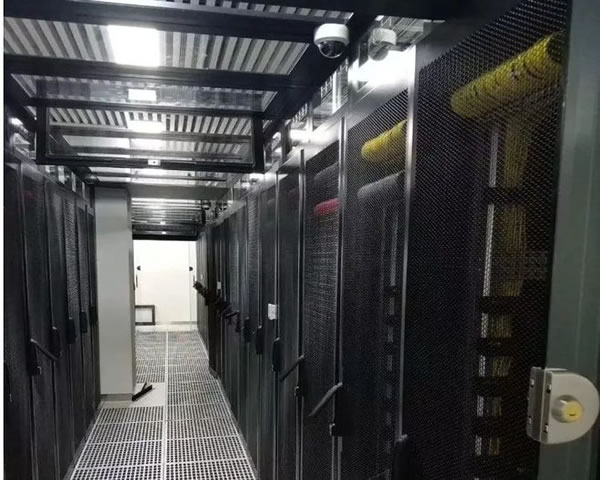
When choosing Singcom CN2, bandwidth quality and service assurance are core factors affecting business continuity and user experience. This article focuses on key performance indicators, key points of service contracts, routing and redundancy design, monitoring and acceptance methods, helping network leaders establish clear standards and effectively verify supplier commitments during procurement and operations phases.
Understand the characteristics and applicable scenarios of CN2 links
CN2 typically refers to the preferred transmission channel for operators in international or regional settings, characterized by low latency and more stable route selection. Evaluation should consider business types (real-time voice, video, financial transactions, or CDN distribution) to determine whether CN2-level link quality is needed and whether hybrid links are used to balance cost and reliability.
Key technical indicators of bandwidth quality
Bandwidth quality depends not only on nominal bandwidth but also on latency, jitter, and packet loss. This is especially sensitive to real-time business needs; it is recommended to set specific thresholds and specify measurement methods and time windows in contracts to ensure that both daily and peak periods meet business SLA requirements.
Service Guarantee Terms: SLA, Fault Recovery, and Compensation
It is crucial to clearly define SLA metrics, fault response time, recovery time objectives (RTO), and compensation mechanisms in the contract. It is recommended to require hierarchical response and regular reporting, along with agreed fault drills and incident reporting processes to ensure suppliers can respond quickly and communicate transparently as promised in abnormal situations.
Routing Strategies and Network Redundancy Design
Route visibility (BGP policy), master-backup paths, and interconnection with local resources directly affect link stability. Prioritize evaluating multipoint interconnection, physical path diversification, and cross-regional primary and backup solutions to avoid overall availability decline caused by a single fiber optic cable or single point of equipment.
Monitoring, alarm, and visualization capabilities
Suppliers are required to provide real-time monitoring, historical performance data, and alarm interfaces (API or Syslog) to facilitate integration with local monitoring systems. Monitoring capabilities include traffic analysis, latency/packet loss trends, and link health assessment, helping to identify bottlenecks in advance and support decision-making.
Acceptance and long-term testing recommendations
During the acceptance phase, end-to-end testing should be conducted, including long-term (24-72 hours) load and service simulation tests, recording the distribution of latency, jitter, and packet loss. It is recommended to conduct periodic retesting and peak period comparisons to ensure that suppliers continuously meet bandwidth quality and service commitments during long-term operations.
Compliance and data transmission risk control
When evaluating Singapore Telecom's CN2 service, cross-border data transfer, privacy protection, and compliance requirements must also be considered. Clearly define data processors and the scope of accessible logs, and stipulate security measures, encrypted transmission, and auditing cooperation in contracts to reduce compliance and security risks.
Summary and suggestions
In summary, when choosing Singapore Telecom CN2, you should comprehensively consider bandwidth quality, SLA terms, routing redundancy, monitoring capabilities, and compliance requirements. It is recommended to establish clear performance thresholds and acceptance processes before procurement, sign detailed SLAs, and maintain regular retesting and technical review mechanisms to ensure long-term stable delivery and visualized operations.
- Latest articles
- E-commerce Companies Choosing Shanghai-Hong Kong Server Hosting As A Practical Strategy To Enhance User Experience
- How To Evaluate The Provider's Line Stability When Choosing A Hong Kong CN2 Cloud Host
- Interpretation Of The Impact Of Hong Kong Native IP Segments On Cross-Border Advertising Targeting And Regional Rules
- Key Points For Evaluating Network Quality And Service SLA Of Taiwanese Native IP Cloud Servers By Suppliers
- Common Specifications Of Singapore VPS CN2 Comparisons For Bandwidth And Hardware Configuration Selection
- Marketing Statement: Choosing This Server To Set Up In The United States Brings Business Expansion And Increased Trust
- Comprehensive Analysis Report On Malaysian CN2 Operational Quality And Tri-network Interconnection Effectiveness
- Technical Depth: How Hong Kong Cloud Servers Perform In Container And Microservices Scenarios
- How To Use Hong Kong VPS Cloud Servers To Improve Website Access Speed In The US Stock Market
- Discussion On The Auxiliary Role Of Native Residential IPs In Vietnam In Improving Local Search Engine Indexing
- Popular tags
-
Developer-only Tutorial: How To Enter Ssh Vpn On Singapore Server And Detailed Instructions On Port Mapping
practical tutorial for developers: secure access via ssh and vpn on a singapore server, and explains common port mapping and tunneling solutions, including scenarios and security suggestions. -

Apex Singapore Server Name And Its Game Performance Analysis
this article provides a detailed analysis of the name of the apex singapore server and its game performance to help players choose the appropriate server to enhance their gaming experience. -

Advantages Of Singapore’s Cn2 Network And Its Impact On Business
this article explores the advantages of singapore's cn2 network and its impact on business, analyzing its advantages in improving network performance, reducing latency and enhancing security.